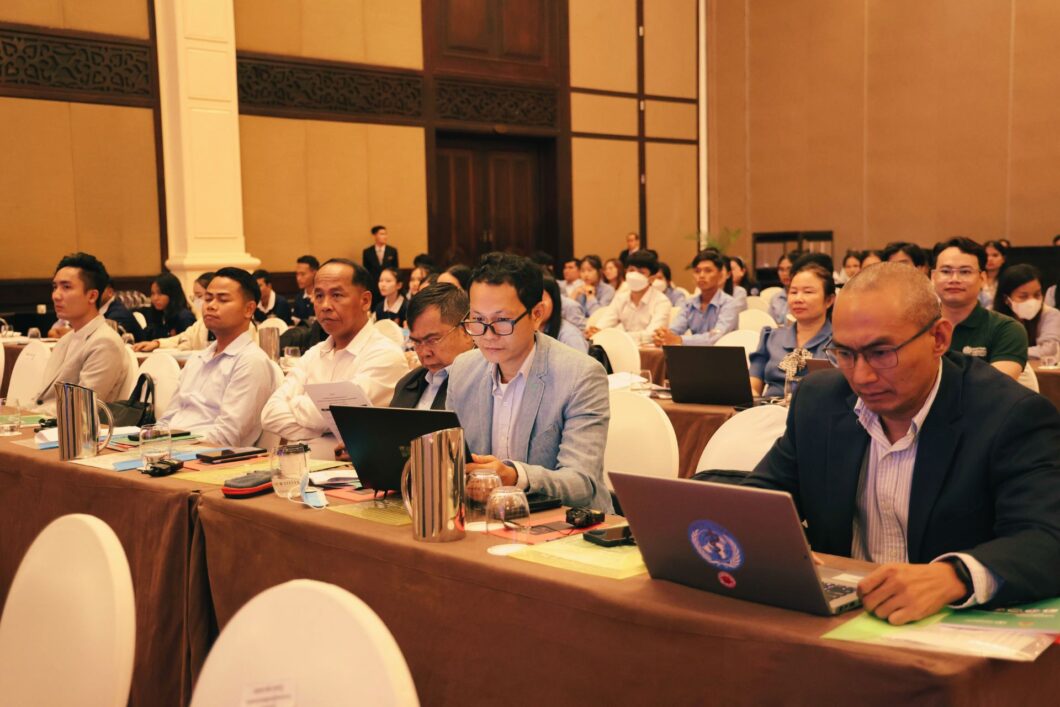
Why Workshop Buy-In Starts Long Before the First Slide
What a waste.
That’s what I used to think every time a learner walked into my workshop knowing only the title and the venue. No learning objectives. No outline. No idea why they were there.
When I asked, the answer was almost always the same:
“My manager signed me up.”
No context. No reason. No conversation about why this topic mattered for them – or their role – or where they were headed.
And so they’d sit. Disengaged. Quietly ticking off training hours. Physically present, mentally elsewhere.
A full day away from their desks. Company resources spent. And almost nothing carried back to the workplace.
I used to place the blame on the learner. Then I realised – that was the wrong place to look.
The Problem Rarely Starts in the Room
Here’s the uncomfortable truth that many organisations overlook:
The battle for engagement is won or lost before the workshop even begins.
When a staff member walks in not knowing why they’re there, you haven’t just lost their attention – you’ve lost the entire investment. The facilitator’s preparation, the venue, the materials, the hours pulled away from actual work. All of it sits on a shaky foundation.
And yet, this happens more than we’d like to admit. Managers nominate staff for training without explanation. HR sends calendar invites without context. Learners show up out of obligation, not intention.
The result? A room full of warm bodies and cold motivation.
Enter the WIIFM
Every learner – consciously or not – walks into a room asking one question:
What’s In It For Me?
This isn’t selfishness. It’s human nature. We engage with things that feel relevant to us. We invest attention where we see personal value. And when that value isn’t clear, our brains do what brains are designed to do – they disengage and conserve energy.
So if we want learners to show up ready to grow, we need to answer the WIIFM before they arrive – not hope they figure it out somewhere between the icebreaker and the coffee break.
Two Simple Things to Do Before the Workshop
These aren’t revolutionary. They don’t require a major overhaul of your L&D strategy. But they are consistently overlooked – and consistently powerful.
1. Hear out their challenges — without judgment.
Have a conversation before the workshop. Not a form. Not a pre-read. A real conversation. Ask the learner what they’re currently finding difficult in their role. What’s slowing them down? What keeps showing up as a problem?
Listen without jumping to solutions. Listen without evaluating whether their challenges are “valid enough.” Just listen.
This does two things: it tells you how to make the content land for them, and it tells them that someone actually cares about their experience. That alone shifts the energy.
2. Ask about their growth plan.
What do they want to do about these challenges? What does progress look like for them – not just for the company?
When a learner can connect a workshop to something they personally want to move towards, the content stops feeling like a corporate obligation and starts feeling like a resource. That’s the shift we’re looking for.
Find that bridge. Build that connection. That’s where buy-in lives.
No Buy-In, No Return on Investment
Let’s be direct: if a staff member attends a workshop without knowing their WIIFM, the probability of meaningful behaviour change back at the workplace drops dramatically.
They might remember a quote. They might enjoy the free lunch. But the kind of learning that changes how someone thinks, communicates, leads, or performs? That requires motivation. And motivation requires meaning.
This isn’t a criticism of learners. Most people genuinely want to grow – when growth feels purposeful. Our job, as learning professionals and as managers, is to make the purpose visible.
After the Workshop: Don’t Let the Learning Evaporate
Even the most well-designed workshop can fade quickly when learners step back into the busyness of the workplace. Emails pile up. Urgencies resurface. And the insights from that full-day session slowly blur into the background.
So before the room clears, build in one final moment of intentional reflection. Ask each participant to complete what I call the 3-2-1 Close:
🔹 3 things that were new to them
🔹 2 things they’d share with a colleague or someone they care about
🔹 1 thing they’ll implement within a fortnight
This isn’t just a feel-good exercise. It does something important: it forces each learner to translate general workshop content into personal, specific, actionable steps. It creates a micro-commitment. And micro-commitments, followed up on, become real change.
Pair this with a check-in two weeks later — even just a quick message from their manager — and you’ve created a simple feedback loop that dramatically increases the chance of something actually sticking.
Make the Day Count
A full day away from the workstation is not a small ask. For the individual, it means paused projects and caught-up inboxes waiting for them. For the organisation, it means real cost — in time, in fees, in opportunity.
That investment deserves more than a signature on an attendance sheet.
It deserves pre-work. It deserves a conversation. It deserves a clear, personal answer to why this, why now, why me.
And it deserves a plan for what happens after the last slide.
If you’re a leader who knows something needs to shift – in your team, your culture, or the way you’re leading through uncertainty – let’s talk. A single strategic conversation can open more doors than a packed workshop calendar. Drop me an email anytime.